

News
CECCI Attends 2026 Hangzhou-Belt & Road Countries and Regions Business Matching Seminar
图片及内容版权归CECCI所有,如发现侵权或盗用行为将追究法律责任
All images and content are the property of CECCI. Any unauthorised use or infringement will result in legal action.
1st July 2026
The China Europe Centre for Cultural Innovation (CECCI) attended the 2026 Hangzhou-Belt & Road Countries and Regions Business Matching Seminar, which opened in Hangzhou on 25 June 2026.
The two-day event brought together diplomats and commercial officials from Belt and Road partner countries and regions based in Shanghai, representatives of relevant organisations, Hong Kong and Macao institutions based in Zhejiang and Hangzhou, and representatives of private enterprises in Hangzhou.
Wenxu Wang, chair of the Hangzhou Committee of the Chinese People’s Political Consultative Conference, and Xiaguang Lu, vice-mayor of Hangzhou, delivered speeches at the event. Renqiang Feng, vice-chair of the Hangzhou CPPCC and chair of the Hangzhou Federation of Industry and Commerce, and Ge Lin, vice-chair of the Hangzhou CPPCC, also attended. Jiaying Liang, a council member of CECCI, represented the Centre at the event.
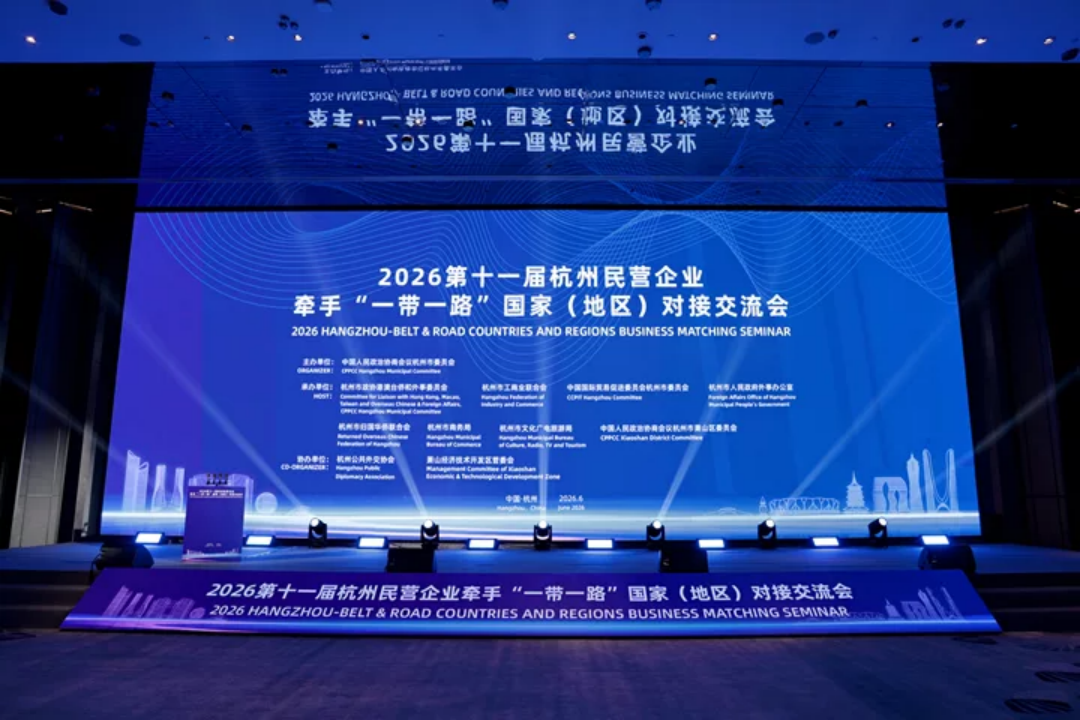
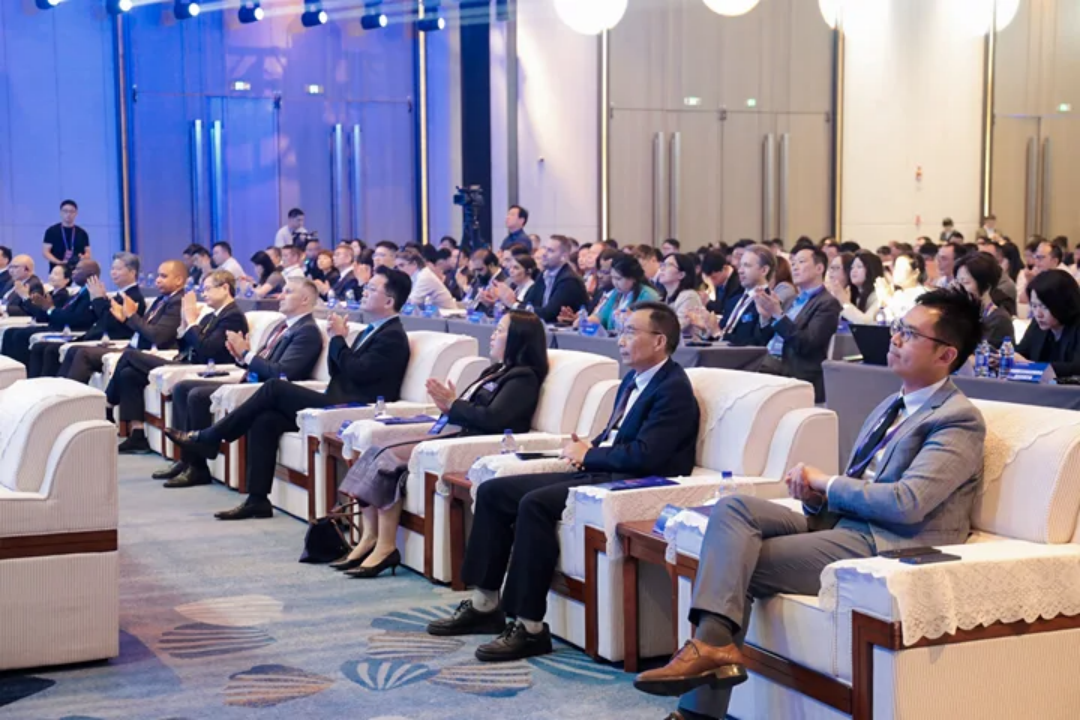
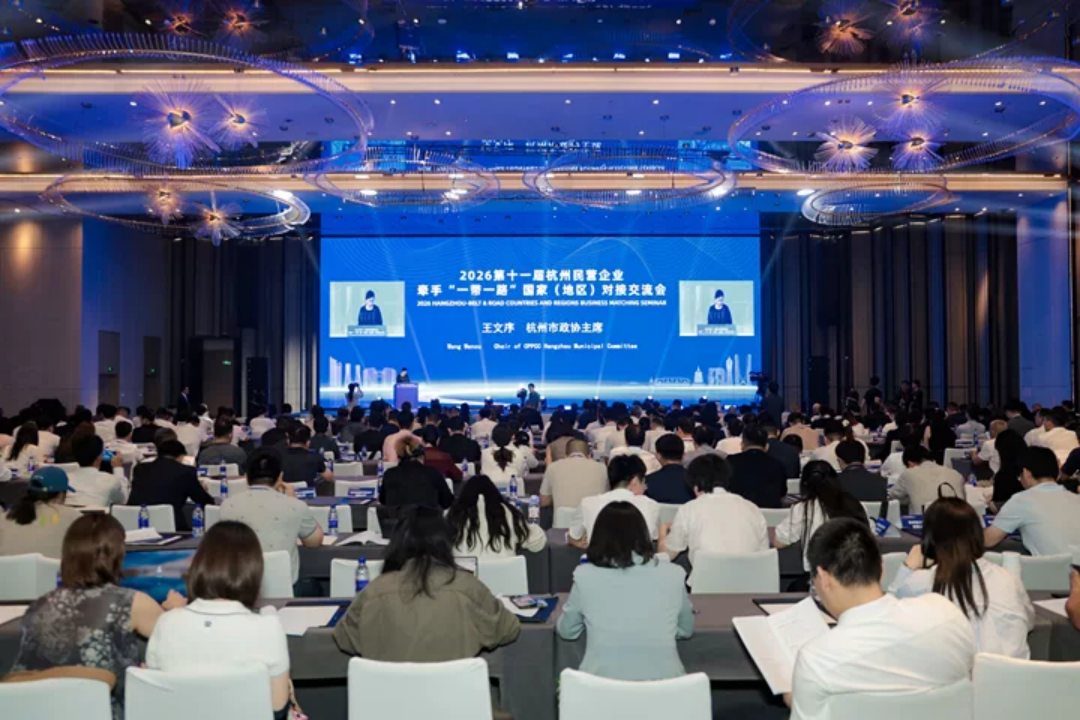
Thirteen years after the Belt and Road Initiative was proposed, Hangzhou has played an increasingly important role as the leading city of the Belt and Road Local Cooperation Committee. Private enterprises in Hangzhou have continued to pursue reform, innovation and open cooperation, actively engaging in trade and investment cooperation with partner countries and helping to tell Hangzhou’s story in serving the Belt and Road Initiative.
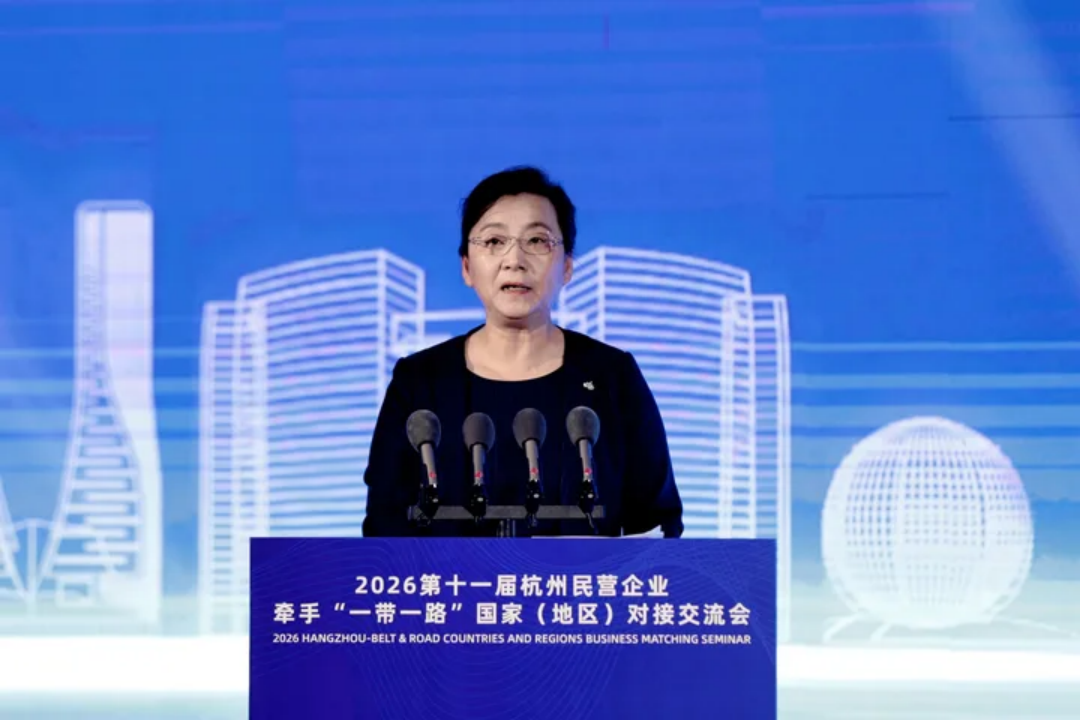
Speaking at the seminar, Wenxu Wang welcomed representatives from consulates and institutions in China to visit Hangzhou for exchanges, investment and business cooperation.
She said that open cooperation and mutual benefit had become a defining trend, and that Hangzhou’s strong private economy and distinctive digital city profile gave it multiple advantages in participating in Belt and Road cooperation.
She said there was great potential for cooperation between Chinese and foreign partners. She also expressed the hope that consuls and commercial organisations would act as bridges for two-way cooperation, helping make economic and trade exchanges more regular and cooperation more substantial.
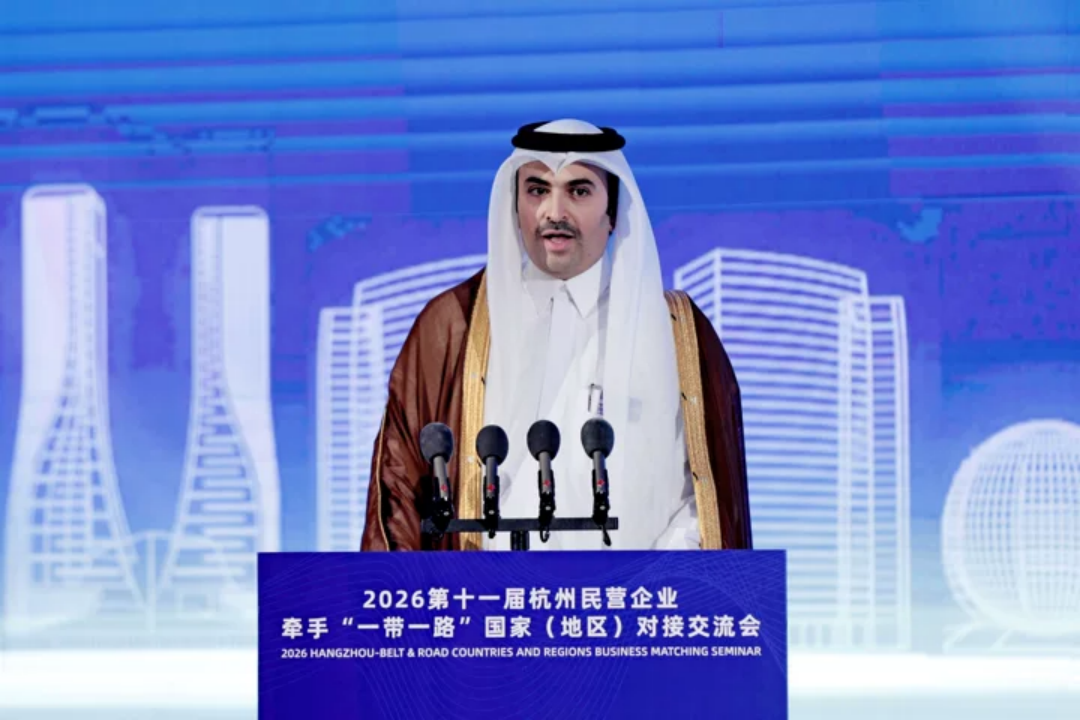
Rashid Mubarak Al-Khater, Consul General of the State of Qatar in Shanghai, said at the event that the Belt and Road Initiative was evolving into a comprehensive platform for strengthening connectivity and promoting cultural exchange.
He said he believed the seminar would help bring a number of new projects to fruition and further strengthen cooperation between Hangzhou and Belt and Road partner countries.
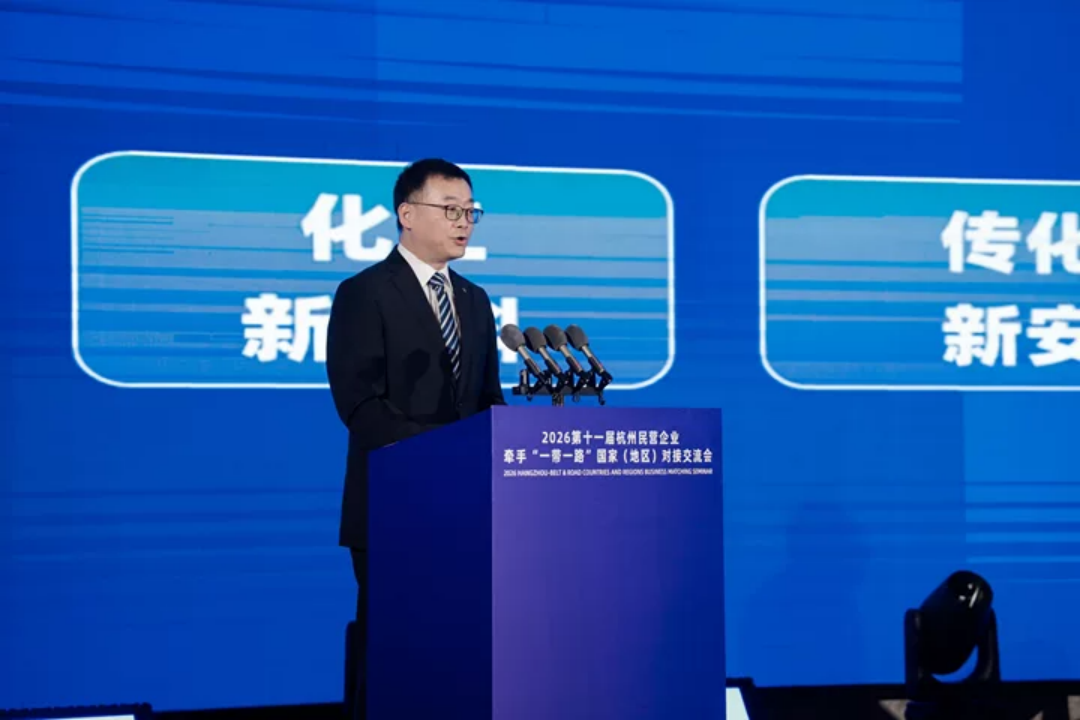
At the event, Chenpeng Yao, vice-president of Transfar Group, shared the company’s experience of going global, citing its textile chemicals business in Bangladesh and Wynca Group’s localised development in Ghana, West Africa, as two examples.
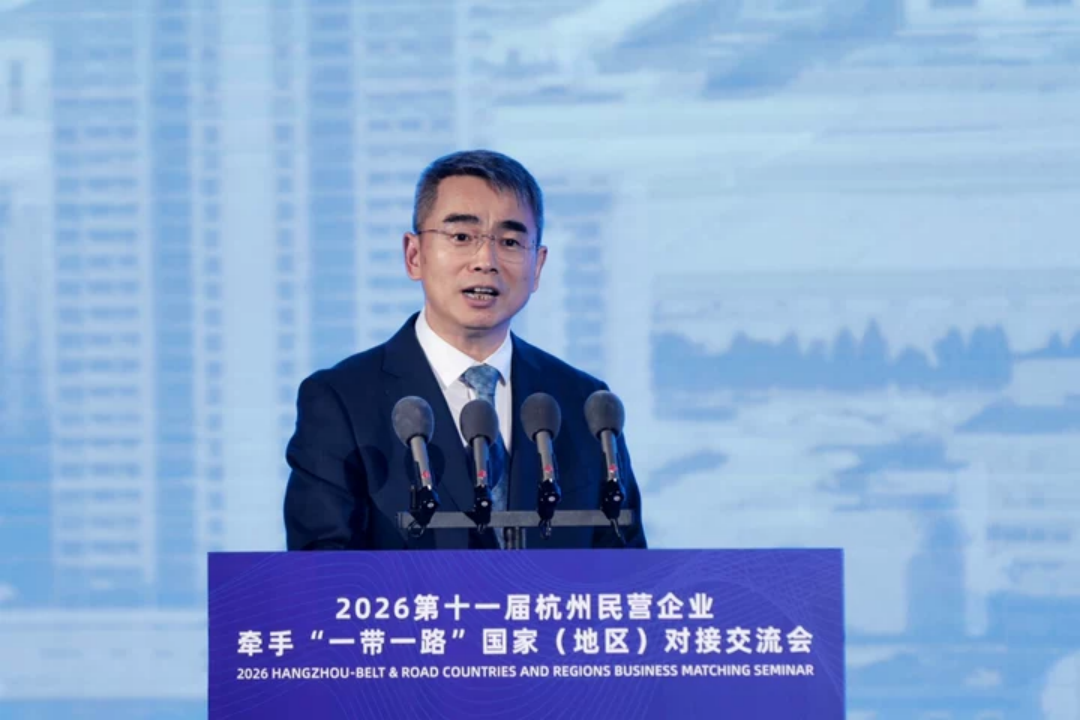
Jianhua Wu, a member of the Party Working Committee and deputy director of the Xiaoshan Economic and Technological Development Zone, gave a presentation on regional development.
This year’s seminar included a newly added country and region-specific business matching session, designed to better support Hangzhou’s private enterprises in going global and to promote deeper and more practical cooperation.
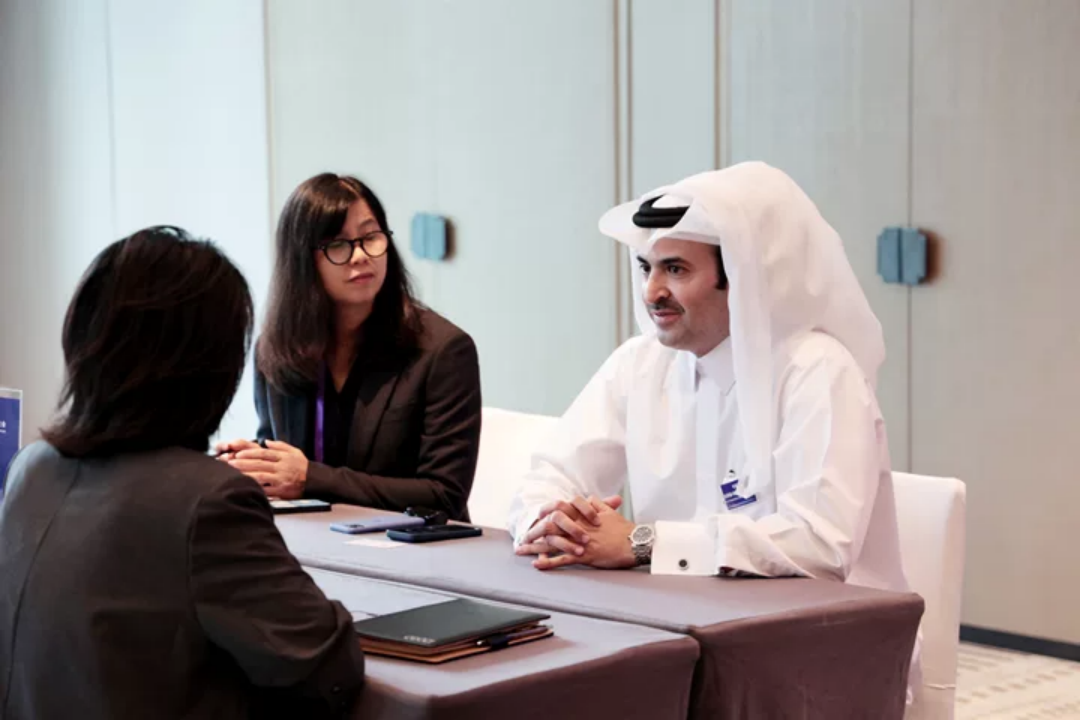
After the opening speeches, representatives from 15 countries and regions held business matching talks with participating private enterprises across seven meeting venues. The discussions were active, and participants showed a strong willingness to cooperate.
During the matching session, Jiaying Liang held in-depth exchanges with the Consuls General of Qatar, Belarus, Egypt and Cuba in Shanghai. The discussions covered topics including taking cultural content overseas, international communication and people-to-people exchanges.
CECCI introduced its experience in cross-cultural exchange and international project operations. The Qatari representative shared the role of traditional Qatari dress in cultural exchange. The Belarusian representative emphasised the importance of cultural exchange in international cooperation. The Egyptian representative exchanged views on dialogue between Chinese and Egyptian civilisations and cooperation in culture and tourism. The Cuban representative expressed interest in cooperation in cultural and artistic exchanges.
All sides said they hoped to use the seminar as an opportunity to promote practical follow-up cooperation.

The seminar was an important example of CECCI’s active participation in Belt and Road international exchange and cooperation. Through in-depth engagement with representatives from Qatar, Belarus, Egypt and Cuba, CECCI further expanded its international cooperation network and laid a solid foundation for future practical cooperation in cultural outreach, international communication and people-to-people exchanges.
CECCI said it would continue to uphold an open and cooperative approach, draw on its strengths in cross-cultural exchange and international project operations, and actively connect with high-quality cultural resources from Belt and Road partner countries.
It will also build more bridges for cultural exchange and communication, contributing to efforts to tell China’s stories well and promote Chinese culture globally.
图片及内容版权归CECCI所有,如发现侵权或盗用行为将追究法律责任
All images and content are the property of CECCI. Any unauthorised use or infringement will result in legal action.