

News
Data-Driven Innovation and New Momentum in Regional International Exchange Discussed at Democratic Parties Talks
图片及内容版权归CECCI所有,如发现侵权或盗用行为将追究法律责任
All images and content are the property of CECCI. Any unauthorised use or infringement will result in legal action.
8th October 2026
The “Data-Driven Innovation and New Momentum in Regional International Exchange” Democratic Parties Talks was held on the afternoon of 29 September at the BRICS Special Economic Zone China Cooperation Center.
The event was organised by the relevant departments of Qiantang District, with the Qiantang District General Branch of the China Zhi Gong Party and the China-Europe Centre for Cultural Innovation (CECCI) as co-organisers. The China Jiliang University Committee of the China Zhi Gong Party, the Hangzhou Vocational and Technical University branch of the China Zhi Gong Party and the BRICS Special Economic Zone China Cooperation Center supported the event.
Fan Yang, a member of the Hangzhou Municipal Committee of the China Zhi Gong Party, chair of its Qiantang District General Branch and vice-chairman of the Qiantang District Committee of the Chinese People’s Political Consultative Conference, attended the event and delivered remarks.
Tingrong Rong, chair of the Qiantang District Federation of Returned Overseas Chinese; Xuebing He, secretary of the Party Leadership Group and chairman of the Qiantang District Federation of Social Science Circles; and Xiaoning Liu, deputy director of the Qiantang District Bureau of Commerce and full-time deputy head of the preparatory group for the BRICS Economic and Trade Cooperation Development Promotion Centre, also attended the event.
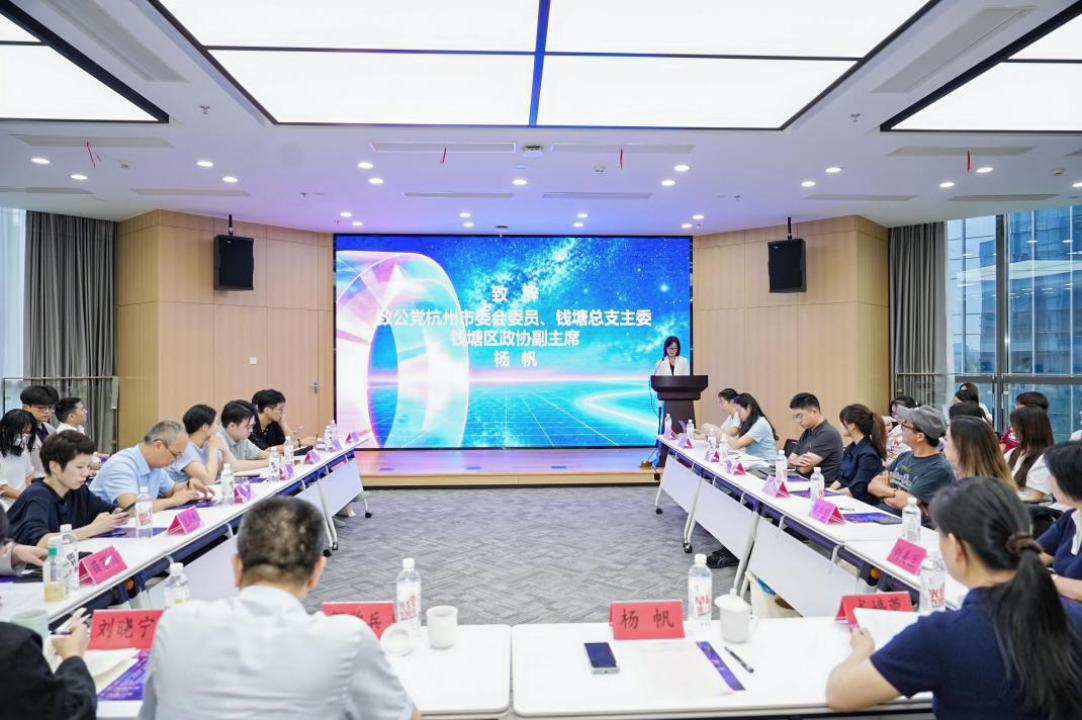
Against the backdrop of rapid advances in digital technology, the event focused on the new opportunities and challenges facing regional international exchange. Discussions centred on data-driven approaches, narrative innovation and cross-cultural expression, with the aim of strengthening professional dialogue and resource links between universities, cultural institutions and industry platforms, and exploring new approaches to regional international exchange in the digital age.
During the sharing session, Ke He, a postdoctoral researcher at the College of Media and International Culture of Zhejiang University, discussed international exchange in the data age, examining how platforms, algorithms and artificial intelligence are reshaping the way information is communicated. The College of Media and International Culture is the official English name used by Zhejiang University.
Meilan Liu, professor and director of the Department of International Cultural Communication at China Jiliang University, used Yiwu as a case study to examine how overseas audiences understand and perceive local development from the perspective of the “other”.
Dongyu Song, senior editor at Nanjing University Press, drew on practical experience in China-West cultural exchange to share reflections on how cultural content can move beyond simply “going global” to truly “going in” and building lasting connections.
Yingxue Yuan, lecturer at the School of International Culture and Communication of Communication University of Zhejiang, discussed the changing relationship between technology, platforms and content production in the context of AI short dramas and the 6G era.
Huan Su, a lecturer at the School of Creative Design of Hangzhou Vocational and Technical University, shared her experience of using AI to support innovation and communication in traditional culture, drawing on digitalisation projects involving celadon and other forms of intangible cultural heritage.
Bryson Xue, chairman of CECCI, drew on the centre’s recent experience in international exchange and overseas cultural projects to introduce the development and application of the AIIC “Artificial Intelligence + International Exchange Model”. He proposed using data to continuously monitor feedback from overseas audiences and applying the findings to content planning, narrative development and the optimisation of communication strategies.
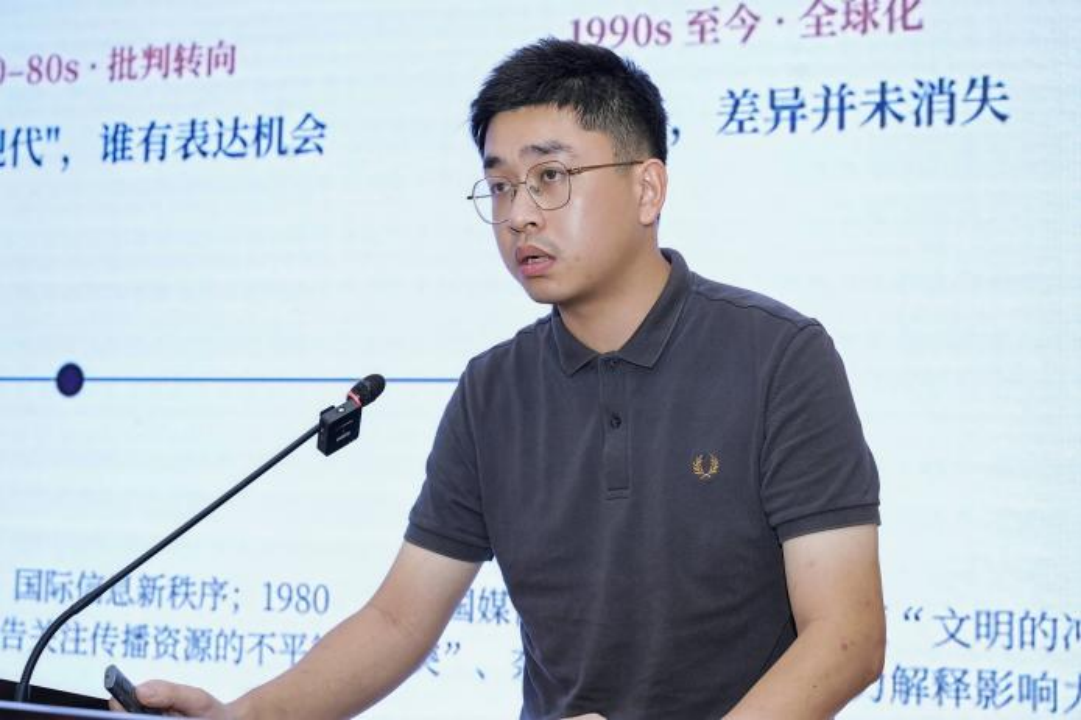
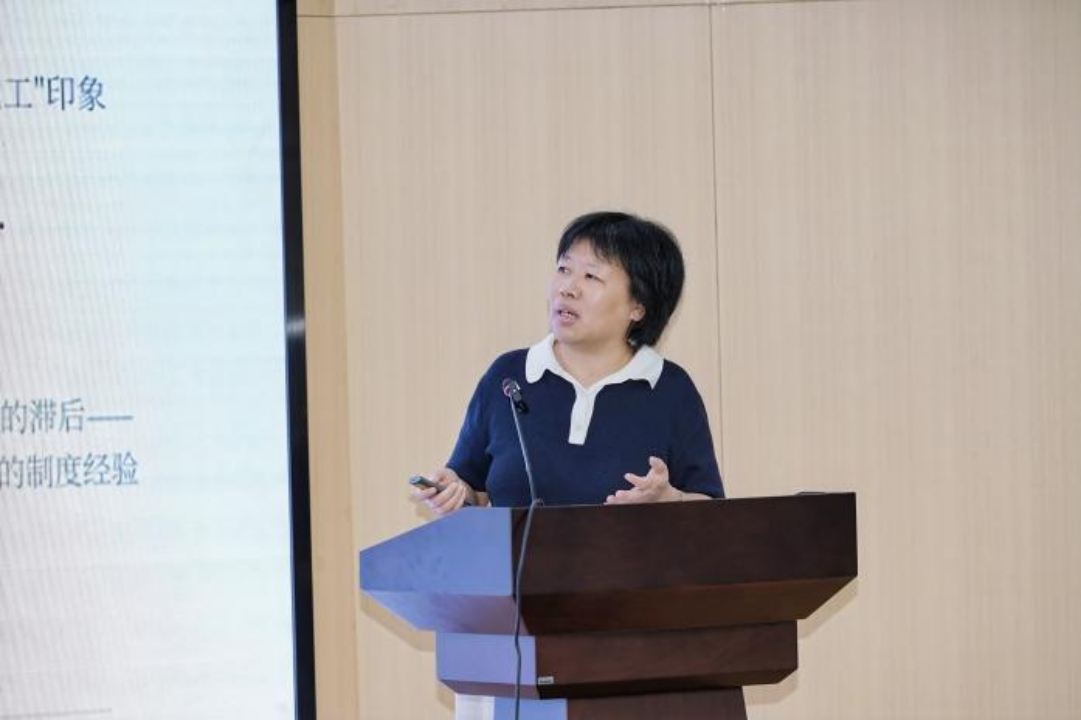
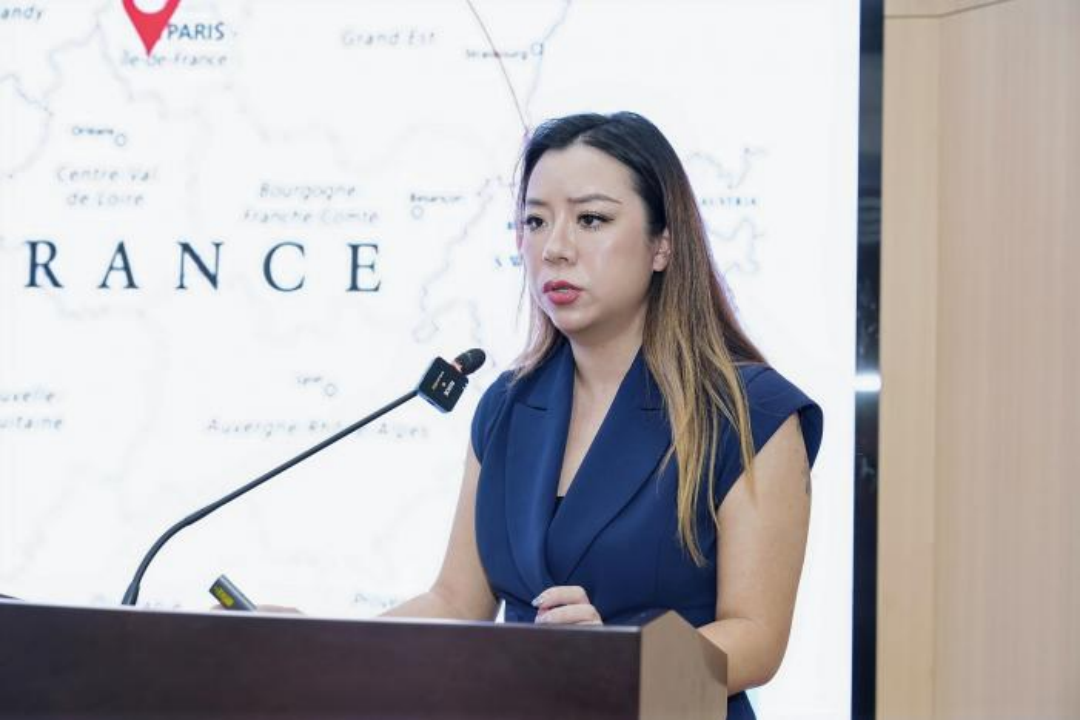
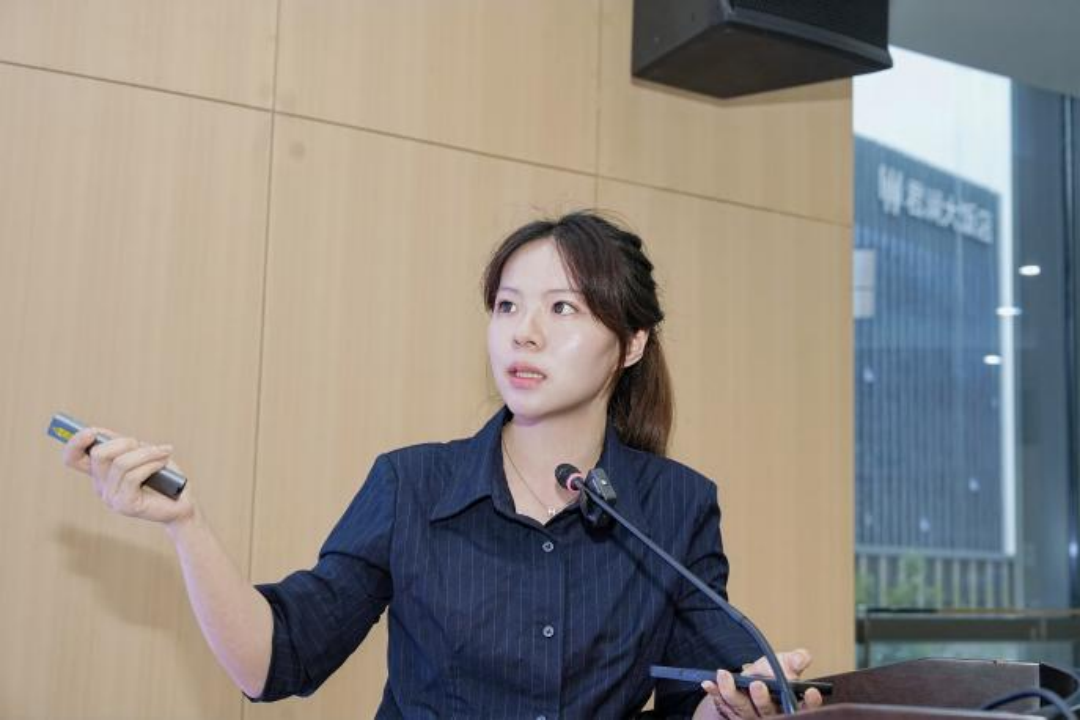

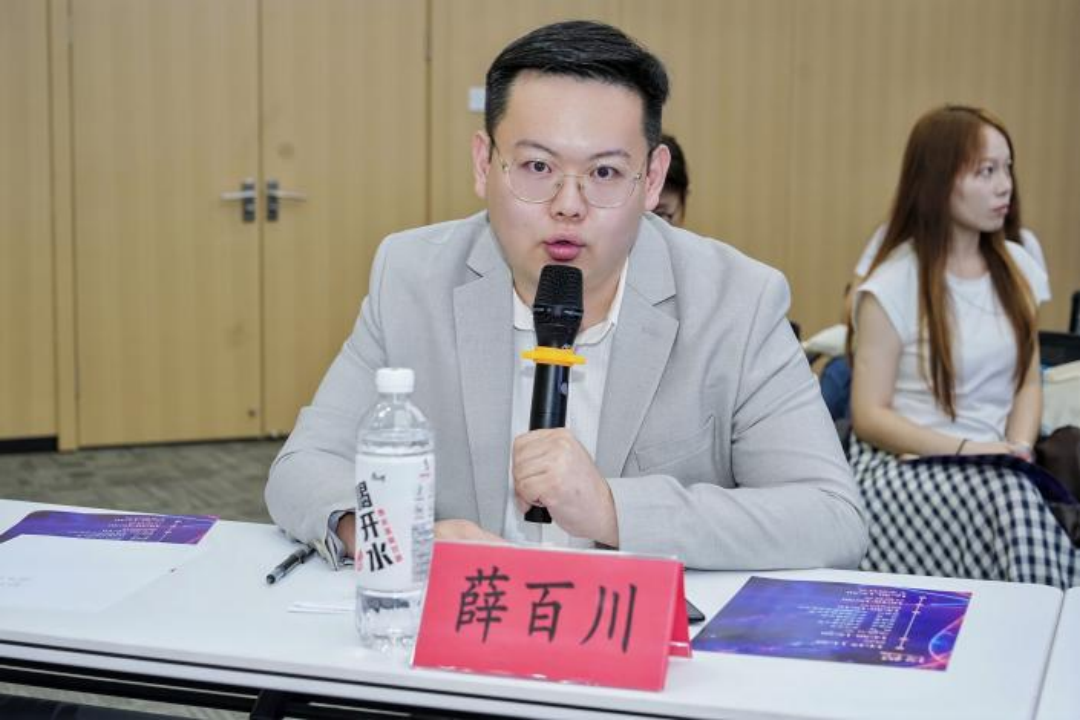
During the Q&A session, guests discussed issues including “information bubbles” in international exchange in the age of artificial intelligence, the relationship between communication efficiency and the appeal of content, and how narrative approaches can be adapted to the needs of overseas audiences in order to overcome barriers to cross-cultural communication.
The expert discussion session also featured an open exchange of views on narratives in international exchange.
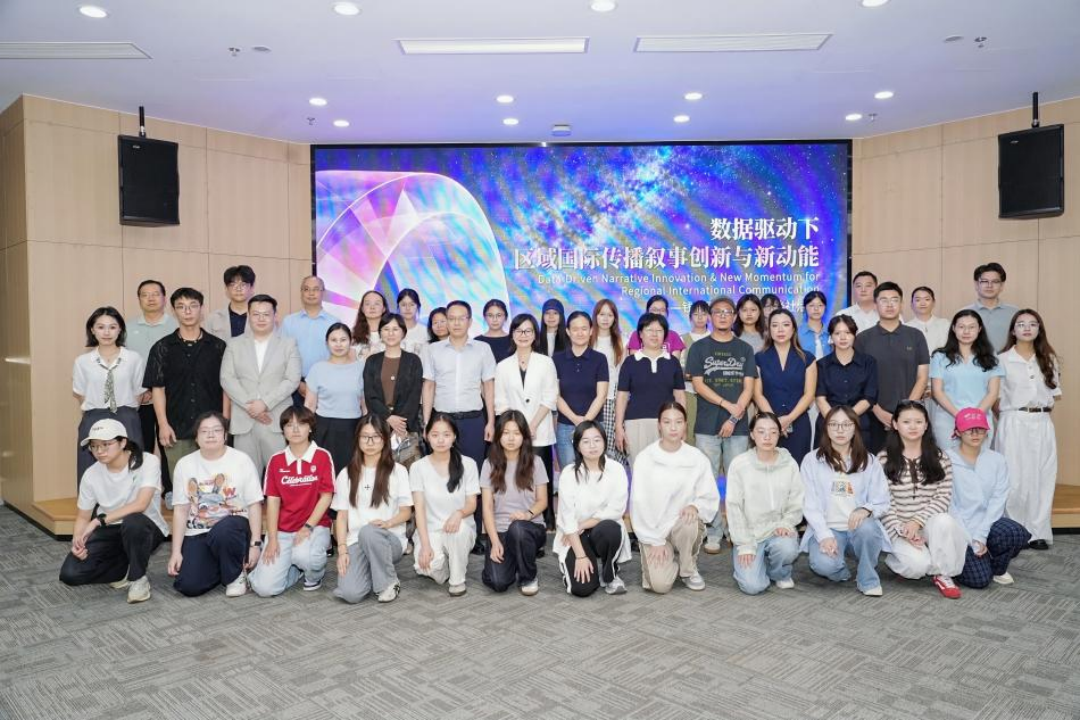
Drawing on its long-standing involvement in international exchange, overseas cultural projects and cross-regional cooperation, CECCI shared its experience in the international presentation of regional cultural resources, the development of overseas partnerships and cross-cultural communication.
In recent years, CECCI has continued to promote cultural exchange and cooperation between China and Europe, actively connecting domestic cultural institutions, arts universities, overseas arts festivals and other international resources. It has also continued to explore opportunities for linking cultural content with regional industries and urban development.
The event further strengthened CECCI’s work in regional international exchange and international cultural exchange. Building on its long-established overseas partnership network and project experience, CECCI will continue to strengthen links with universities, cultural institutions and relevant industry platforms, helping to connect high-quality cultural content and professional resources with international cooperation needs, and supporting the international development of regional culture and the expansion of people-to-people exchange and cooperation.
图片及内容版权归CECCI所有,如发现侵权或盗用行为将追究法律责任
All images and content are the property of CECCI. Any unauthorised use or infringement will result in legal action.