

News
Focusing on Innovation in Future Performing Arts and Exploring New Pathways for Cross-disciplinary Collaboration – 2026 Asia-Europe Culture & Arts Development Forum – The United Kingdom
图片及内容版权归CECCI所有,如发现侵权或盗用行为将追究法律责任
All images and content are the property of CECCI. Any unauthorised use or infringement will result in legal action.
14th August 2026
The 2026 Asia-Europe Culture & Arts Development Forum – The United Kingdom was held at St Leonard’s Hall at The University of Edinburgh Pollock Halls Campus, Edinburgh, UK, on the afternoon of 11 August 2026, local time in the UK.
The forum was jointly organised by the China Europe Centre for Cultural Innovation (CECCI), Shanghai Theatre Academy, University of Milan, University of York and The University of Edinburgh, with the support of the China Shanghai International Arts Festival Center and the Edinburgh Festival Fringe Society. It brought together representatives from universities, arts institutions and the performing arts industry in China, the UK, France, Italy, Switzerland, Sweden and other countries and regions. Under the theme “Future Performing Arts, Cross-disciplinary Coexistence”, participants explored new possibilities for innovation, development and international cooperation in the performing arts.
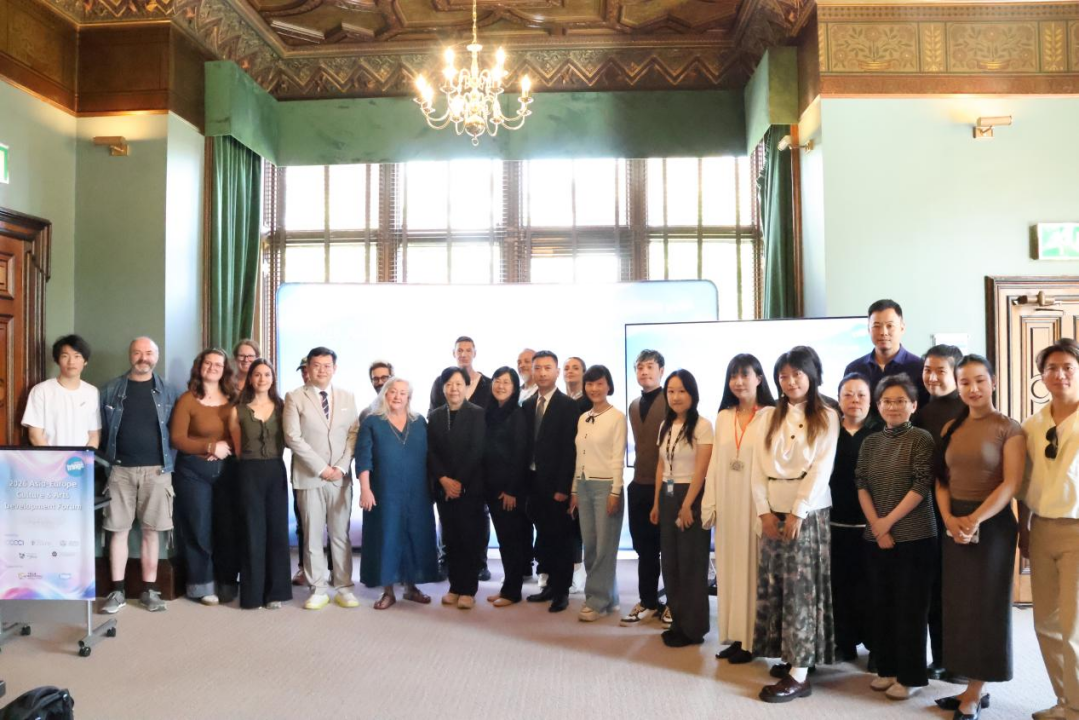
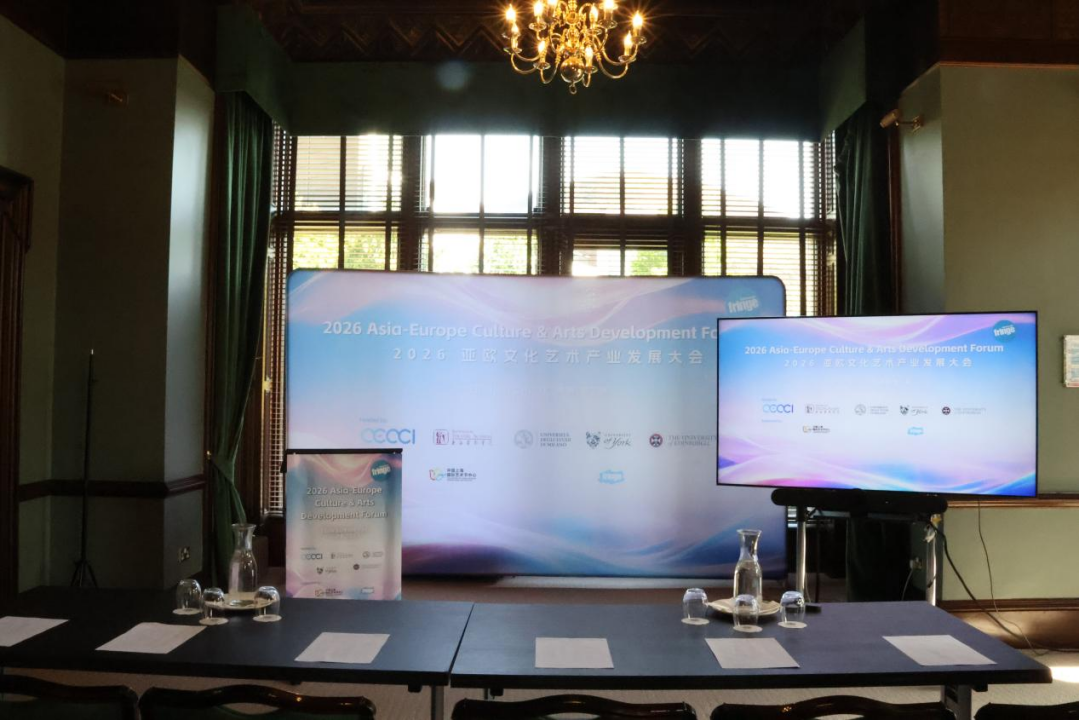
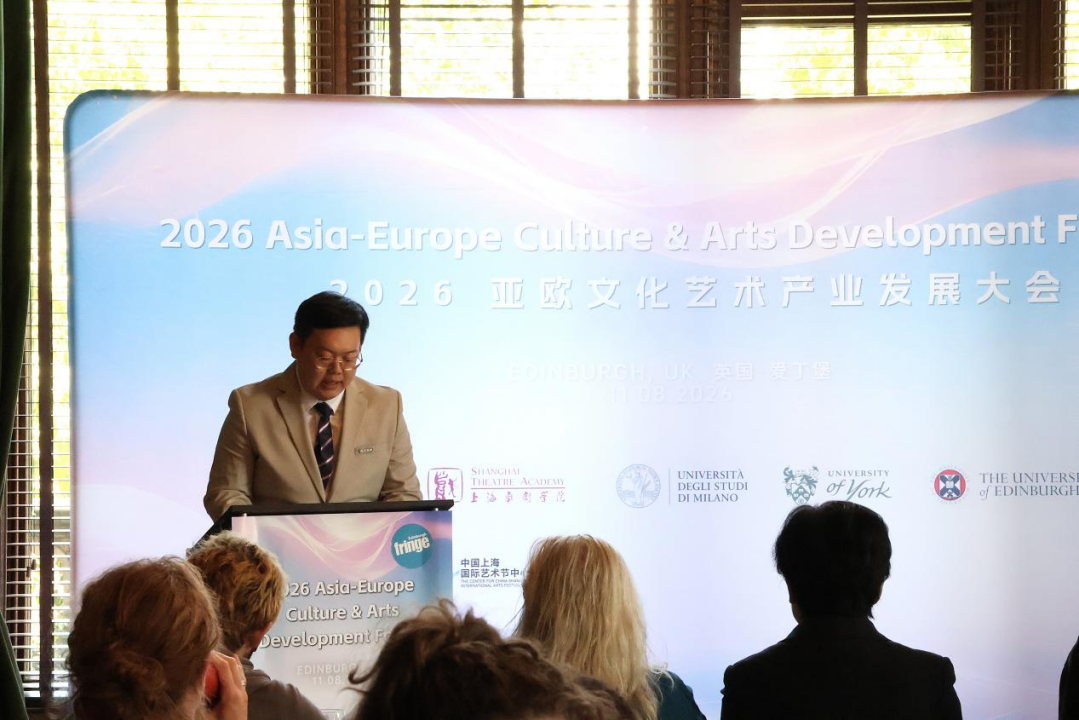
Bryson Xue, Chairman of the China Europe Centre for Cultural Innovation, chaired the forum. He began by reviewing the outcomes of the 2025 Asia-Europe Culture & Arts Development Forum and said that this year’s event would continue to focus on future forms of performing arts and pathways for international cooperation. He highlighted emerging trends in cultural exchange, from “exchange” towards “co-creation” and from “integration” towards “co-existence”, and explored new possibilities for the development of international cultural and artistic cooperation.
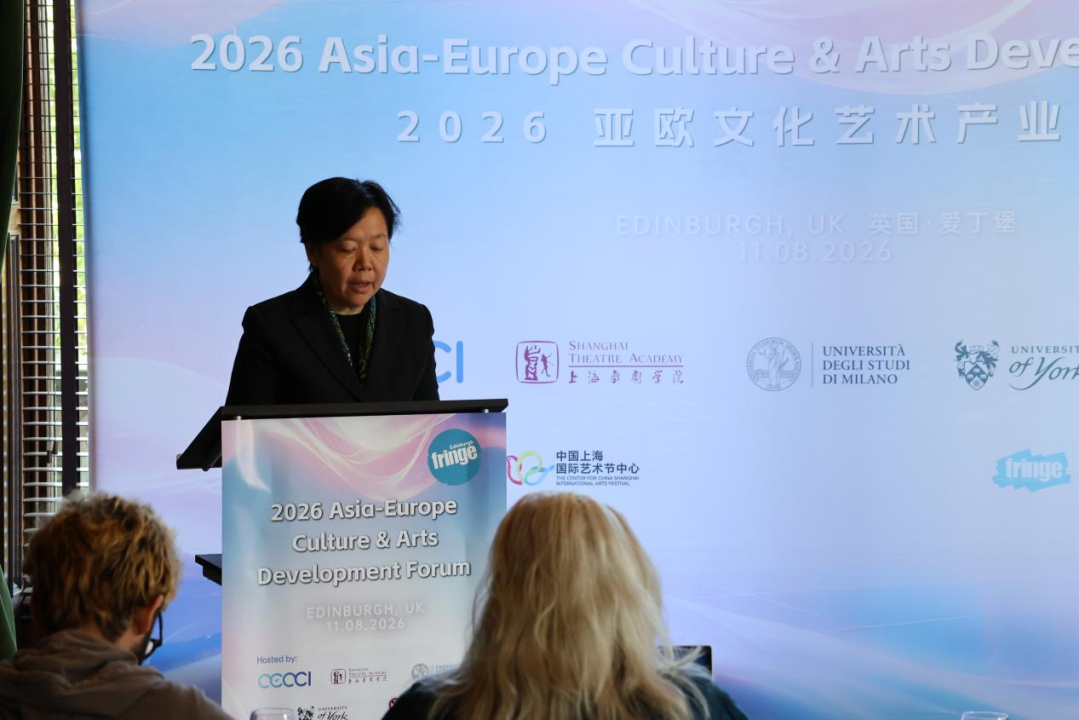
Under the theme “Future Performing Arts, Cross-disciplinary Coexistence”, representatives from universities, arts festivals and the performing arts industry engaged in in-depth discussions. Min Hu, Vice President of Shanghai Theatre Academy, delivered a presentation entitled “The Future of Theatre Creation and Development”, introducing the Academy’s theoretical research, academic development and practical exploration in the field of future theatre. In response to the changes in theatrical forms brought about by digital and intelligent technologies, Shanghai Theatre Academy has continued to advance the development of Future Theatre Studies, while exploring new forms of practice through postgraduate education, academic discussions and initiatives such as the Future Theatre Season. The Academy has also explored innovative approaches to the integration of technology and the arts, including human-machine co-performance, VR arts projects and the digitalisation of traditional Chinese opera motifs, considering new ways in which technological innovation can interact with theatrical practice.
Wendy Timmons, Programme Leader of MSc/PhD Dance Science and Education at The University of Edinburgh, delivered a presentation entitled “The Future of Dance and Movement Rehabilitation”. Drawing on the biopsychosocial-ecological model, she explored the role of dance in promoting health and wellbeing, with particular emphasis on its potential as an adjunctive approach to neurological rehabilitation. She noted that dance can provide not only rhythmic stimulation and spatial awareness, but also opportunities for social and emotional connection, helping to stimulate neuroplasticity and transform conventional clinical rehabilitation spaces into shared environments characterised by enjoyment and resilience.
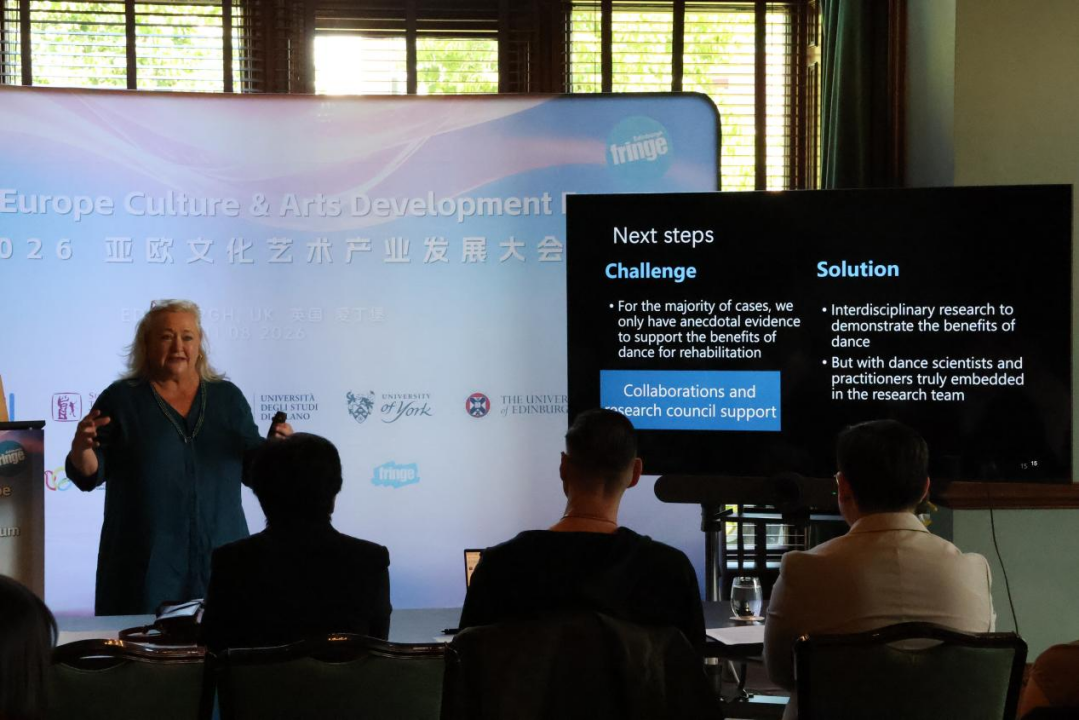
Harold David, CEO of the Festival Off Avignon, delivered a presentation entitled “New Pathways for International Cooperation and Exchange in Future Theatre”. He introduced the development and operating model of the Off section and shared examples of its recent initiatives supporting international theatre companies through promotion, performance opportunities and professional exchange programmes. Through these mechanisms, the Off section provides support for international theatre companies seeking to enter the French performing arts market, while creating opportunities for artists and industry professionals from different countries to connect and collaborate.
He noted that, following years of development, Festival Off Avignon has become an important platform for the exchange of international performing arts productions and industry cooperation. In 2026, the 60th edition of Festival Off Avignon brought together 1,812 productions and 1,500 companies across 141 venues, with around 10 per cent of participating companies coming from outside France, demonstrating its open, diverse and international character.
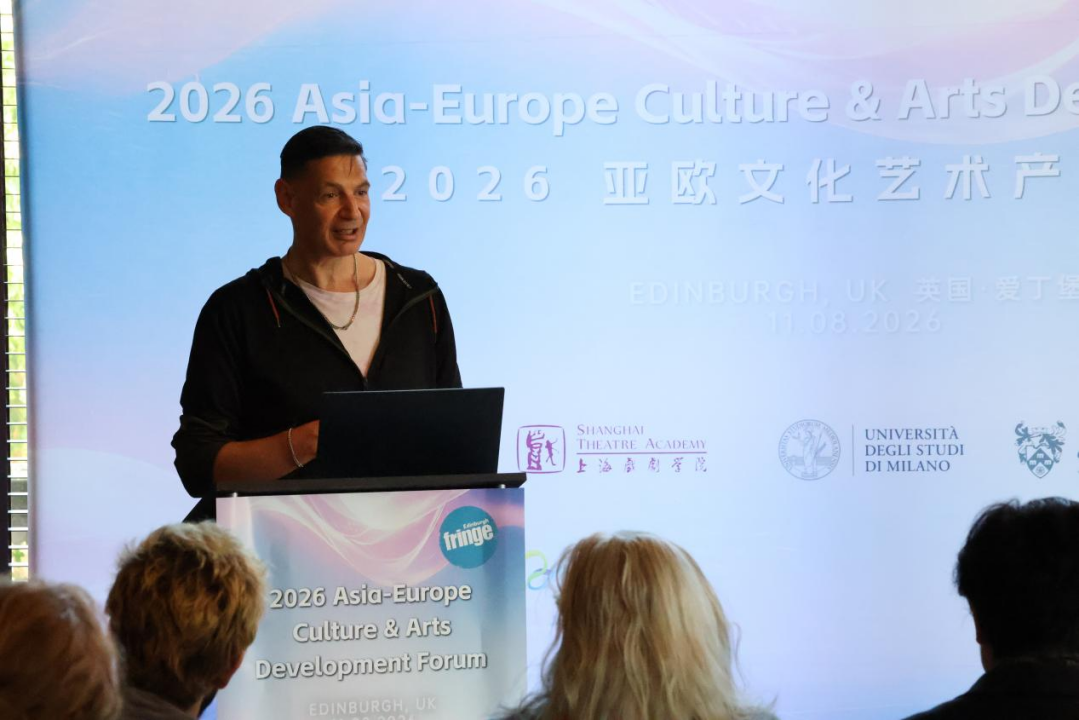
Yuyang Cheng, Lecturer at the Institute of Media, China Academy of Art and a commissioned artist of R.A.W.! (Rising Artists’ Works) at the 24th China Shanghai International Arts Festival, approached the subject from the perspective of interdisciplinary practice across architectural space, contemporary art and experimental theatre. In a presentation entitled “Contemporary Dance-making in an International Creative Context”, she argued that the international development of Chinese art should not be reduced to the simple export of cultural symbols. Instead, artists need to draw on contemporary artistic languages including space, the body, light and shadow, materials and digital interaction to transform traditional culture into artistic experiences that audiences can enter and engage with.She suggested that Chinese art should move beyond simply “going global” towards being “seen and understood”, while exploring new possibilities for co-creation.
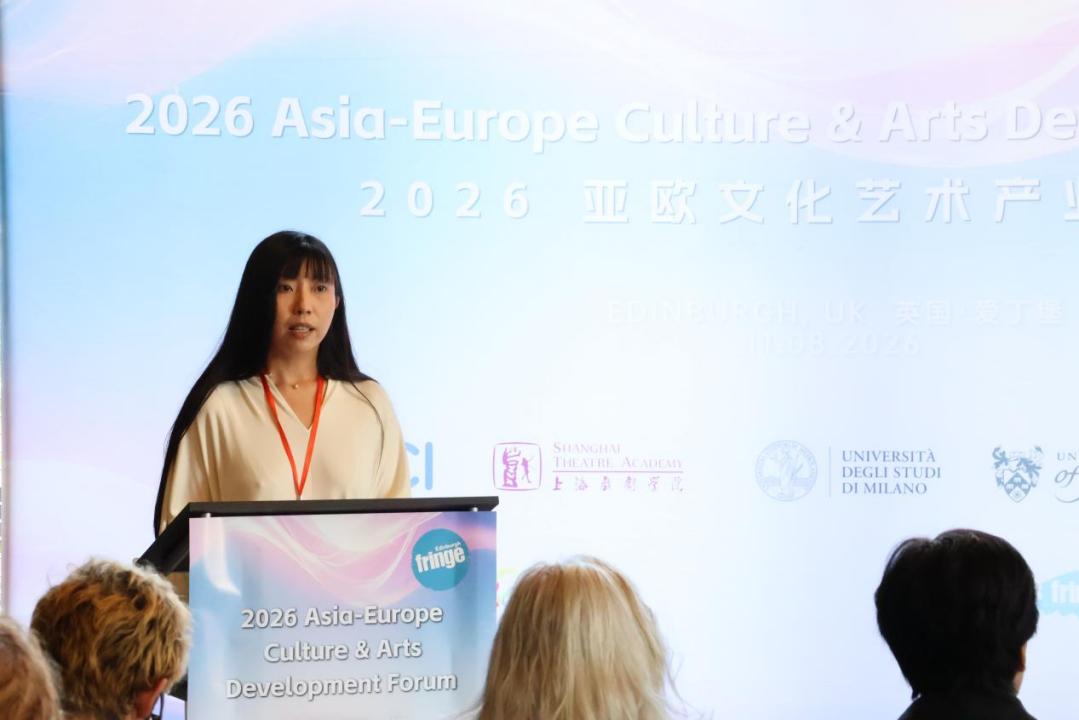
Nicola Campostori from the University of Milan then delivered a presentation entitled “Circus, Technology and Ethics: The Alchemy of Wonder”, exploring the theme of technology empowering the future of circus arts.Drawing on a rich selection of historical and contemporary imagery, he demonstrated the long-standing relationship between art and technology, from the juggling of blades in early circus and acrobatic performance to the complex stage machinery used in spectacular productions by Cirque du Soleil. Technology, he noted, has consistently played an important role in creating theatrical spectacle.
He also traced the ways in which circus has transformed dangerous elements associated with warfare, including cannons, firearms and swords, into performance forms that explore the physical limits of the human body and generate a sense of pure wonder. His presentation examined technology as a form of “alchemy” that can expand the expressive boundaries and sensory possibilities of future circus while also raising deeper questions about humanity and ethics.
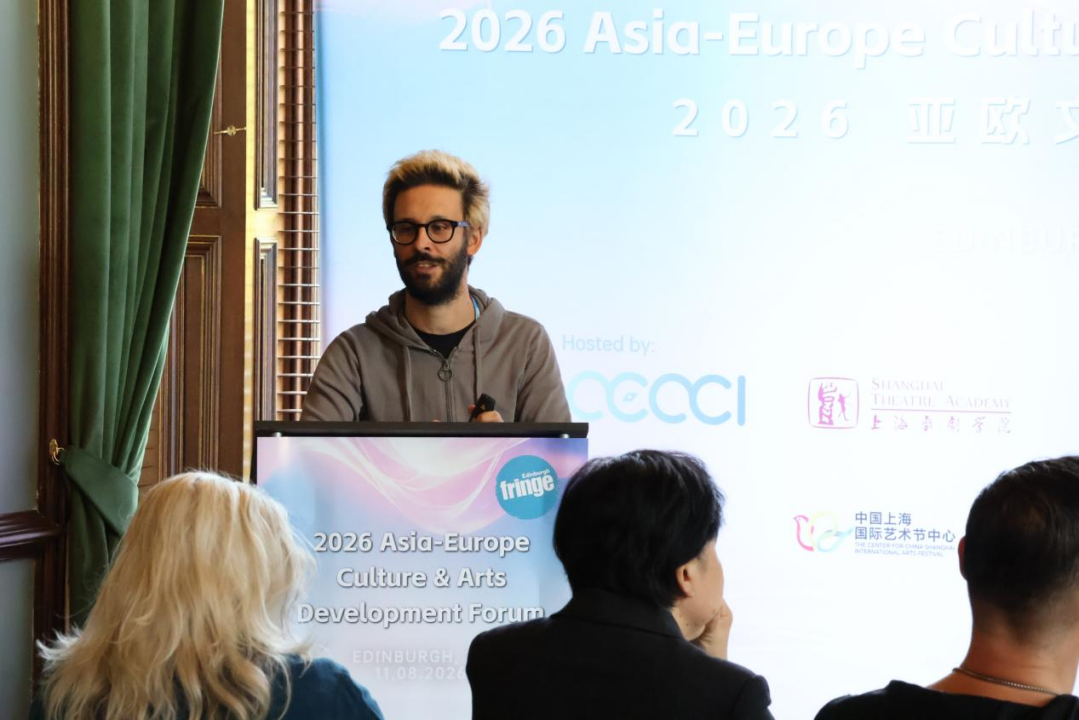
Drawing on practices across different artistic disciplines, the five speakers explored the future of theatre, future dance, the future development of international arts festivals, future cross-cultural creation and the future of circus arts. Their discussions highlighted the different ways in which technological development, physical practice, cultural differences and international cooperation are shaping the future of performing arts creation. The forum thus brought together multiple perspectives, ranging from artistic creation and festival management to academic research and international cooperation.
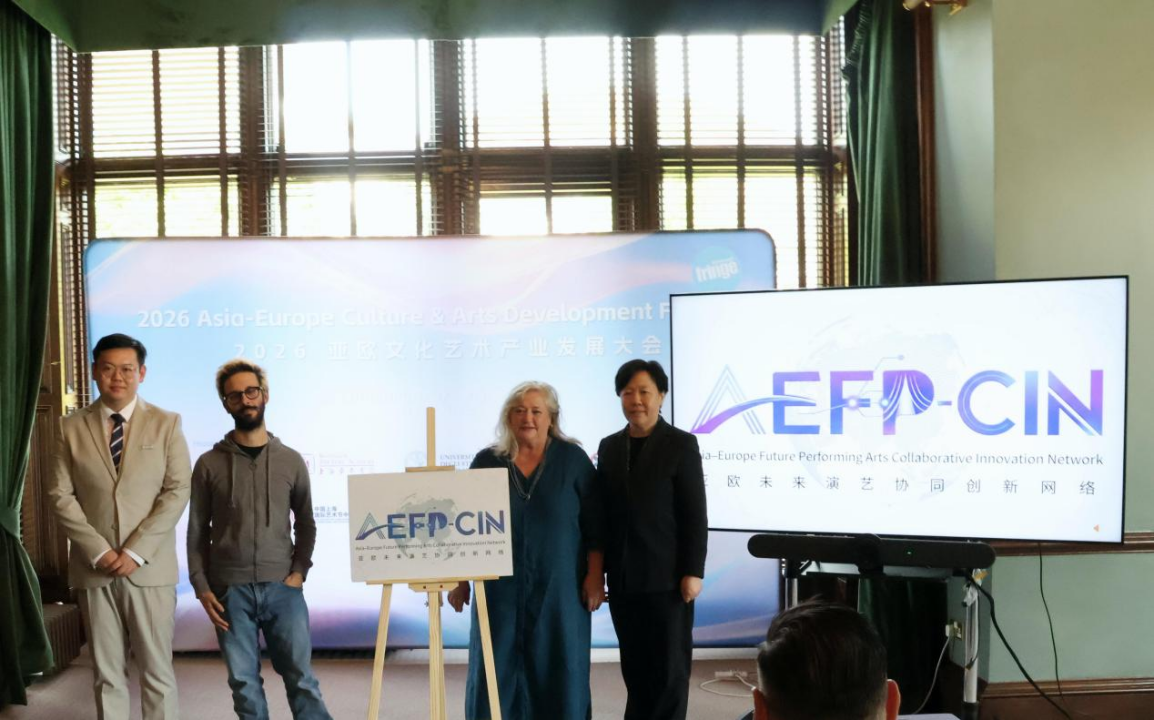
During the forum, the Asia-Europe Future Performing Arts Collaborative Innovation Network was officially launched.The network was jointly initiated by Shanghai Theatre Academy, University of Milan, University of York, The University of Edinburgh and the China Europe Centre for Cultural Innovation. It aims to bring together universities, arts institutions and industry resources from China and Europe and promote long-term collaboration in talent development, artistic creation, technological innovation and industry cooperation in the field of future performing arts. By strengthening links between education, research, artistic practice and industry development, the network seeks to create an open and shared platform for international innovation in the performing arts.
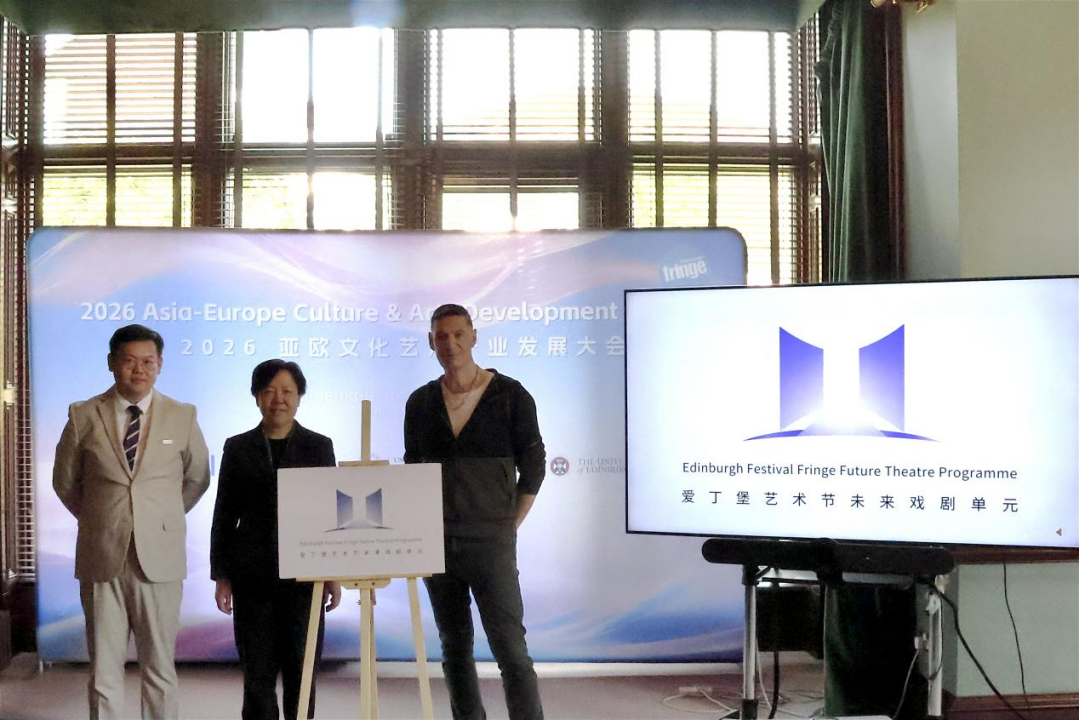
At the same time, the Edinburgh Festival Future Theatre Programme was officially launched.The programme was jointly initiated by Shanghai Theatre Academy, University of Milan, University of York, The University of Edinburgh, the Edinburgh Festival Fringe Society and the China Europe Centre for Cultural Innovation. Drawing on Edinburgh’s international arts ecosystem, it will focus on future theatre creation, new forms of stage expression and international co-production, providing artists and innovative productions from around the world with opportunities for exchange and presentation. The programme will further promote international cooperation and exploration in the field of future performing arts.
The 2026 Asia-Europe Culture & Arts Development Forum – The United Kingdom represents another important step by the China Europe Centre for Cultural Innovation (CECCI) in deepening international cultural and artistic cooperation and expanding its network of global innovation resources.Through discussions of emerging theories and practices, project and market connections, and the launch of two international collaborative mechanisms, the forum further promoted resource sharing, industry-academia-research collaboration and cross-disciplinary cooperation between China and Europe in the field of future performing arts. It also created a new international platform for advancing mutual learning between civilisations and exploring emerging forms of artistic expression.
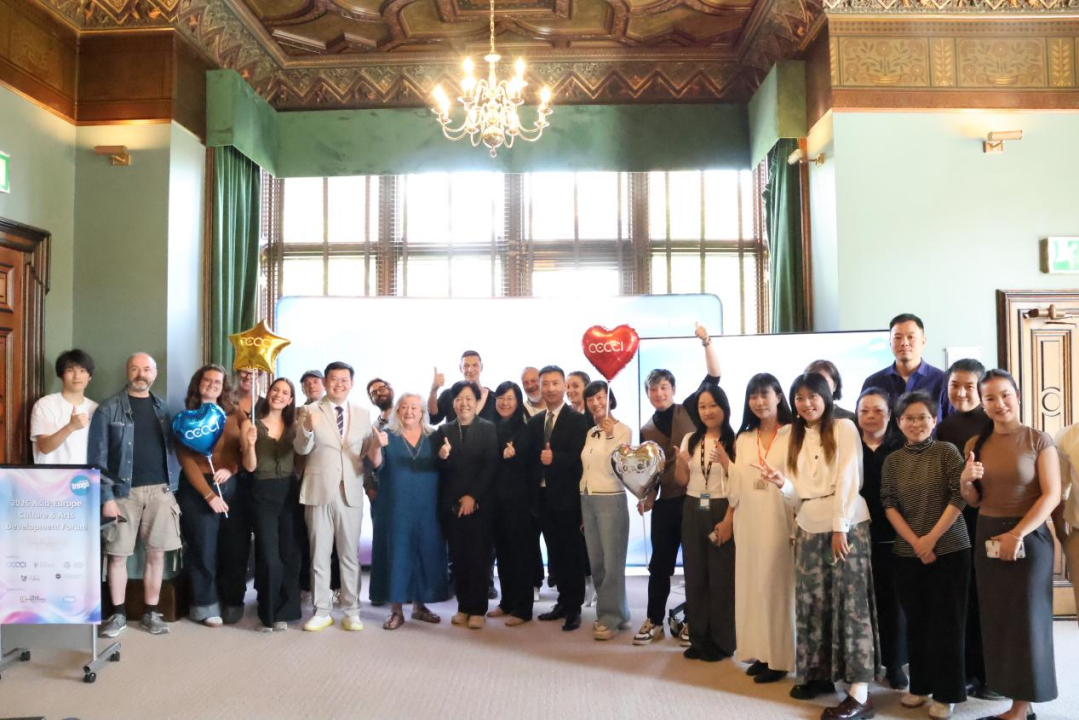
As the organiser and initiator of the 2026 Asia-Europe Culture & Arts Development Forum, the China Europe Centre for Cultural Innovation will continue to uphold the principles of openness and collaboration and leverage its strengths in integrating international resources.Building on the United Kingdom as a new starting point, CECCI will continue to work with international platforms such as the Edinburgh Festival Fringe while actively connecting high-quality universities, arts institutions and performing arts industry resources in China and abroad.Amid the rapid convergence of technological innovation and cultural diversity, CECCI will continue to support the incubation of original productions across borders, the integration of emerging technologies with the arts and the development of young creative talent. It will also continue to translate the outcomes of international exchange into sustainable practical projects, creating further opportunities for cross-disciplinary co-existence and innovation in the global performing arts industry.
图片及内容版权归CECCI所有,如发现侵权或盗用行为将追究法律责任
All images and content are the property of CECCI. Any unauthorised use or infringement will result in legal action.